
(954) 634-2652
One of the most frequent questions I receive from clients and inventors is whether they should pursue a “design patent” or a “regular patent.” The question is understandable because the terminology can be confusing. In practice, what most people refer to as a “regular patent” is a utility patent. While both design patents and utility patents provide intellectual property protection through the United States Patent and Trademark Office (“USPTO”), they protect very different aspects of an invention. Understanding the distinction is critical when developing an intellectual property strategy.
A utility patent protects the way an invention works, operates, or is used. In other words, utility patents cover the functional aspects of an invention. This may include a machine, process, composition of matter, manufactured article, or improvements to existing technology. The focus is on functionality and operation. For example, if an inventor develops a new type of locking mechanism, software process, or medical device feature, a utility patent may protect the functional innovation that makes the invention work differently from prior technology.
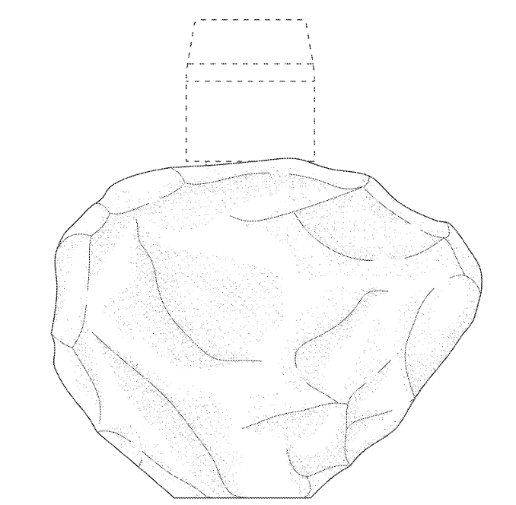
A design patent, by contrast, protects the ornamental appearance of an article rather than its functional operation. The emphasis is on the visual design embodied in or applied to a product. Design patents are commonly used to protect the shape, surface ornamentation, configuration, or overall visual impression of a product. Examples include the distinctive appearance of consumer electronics, furniture, footwear, packaging, or graphical user interfaces. For example, the shape of the perfume bottle shown below – in the shape of a rock – is protected by a design patent.
One point that frequently causes confusion is that a design patent may involve products that have functional aspects. Nearly every commercial product serves some function. However, the protection afforded by a design patent is directed to the ornamental features of the product, not the utilitarian function itself. Stated differently, a product can certainly function in a particular way, but the design patent protects how the product looks rather than how it works.
For example, consider a uniquely shaped beverage container – such as the perfume bottle shown above. The container obviously has a functional purpose because it holds liquid. Nevertheless, the ornamental contour, surface configuration, or distinctive visual appearance of the container may qualify for design patent protection if the design is new, original, and non-obvious. The design patent would not prevent competitors from making containers that hold liquid generally; rather, it may prevent competitors from using a substantially similar ornamental design.
This distinction becomes especially important when evaluating enforcement and infringement issues. Utility patent infringement focuses on whether another product practices the claimed functional elements of the invention. Design patent infringement, however, generally turns on whether an ordinary observer would consider the accused design substantially similar to the patented ornamental design. As a result, the scope and nature of protection differ significantly between the two forms of patent rights.
Clients are often surprised to learn that design patents can be extremely valuable. In some industries, the appearance of a product is a substantial driver of consumer purchasing decisions. A distinctive visual design can become closely associated with a company’s brand identity and market presence. Accordingly, design patents are frequently used as part of a broader intellectual property portfolio alongside utility patents, trademarks, and trade dress protection.
In many situations, pursuing both a utility patent and a design patent may be appropriate. A utility patent can protect the innovative functionality of a product, while a design patent can separately protect its ornamental appearance. This layered approach may create stronger overall protection and additional enforcement options against competitors.
Ultimately, the decision between a utility patent and a design patent depends on the nature of the innovation and the client’s business objectives. Inventors should carefully evaluate whether the value of the invention lies primarily in how it works, how it looks, or both. Early strategic planning can help maximize intellectual property protection and avoid gaps that competitors may later attempt to exploit.
Click HERE to learn more about the author, Derek Fahey, Esq.
wordpress theme by initheme.com